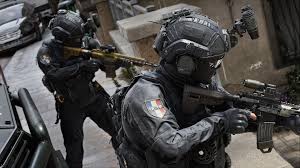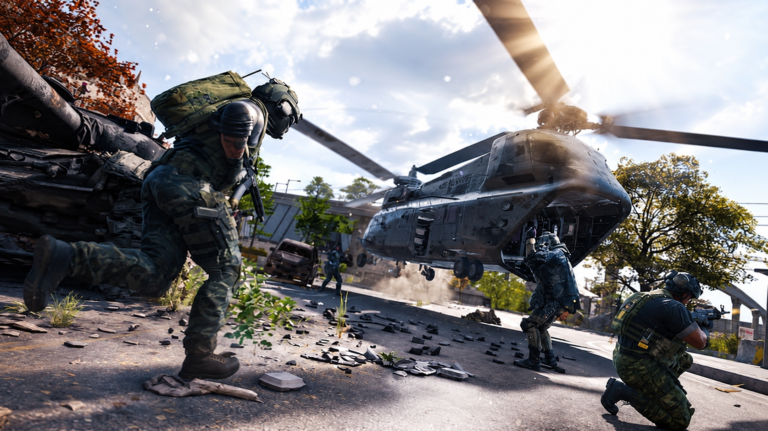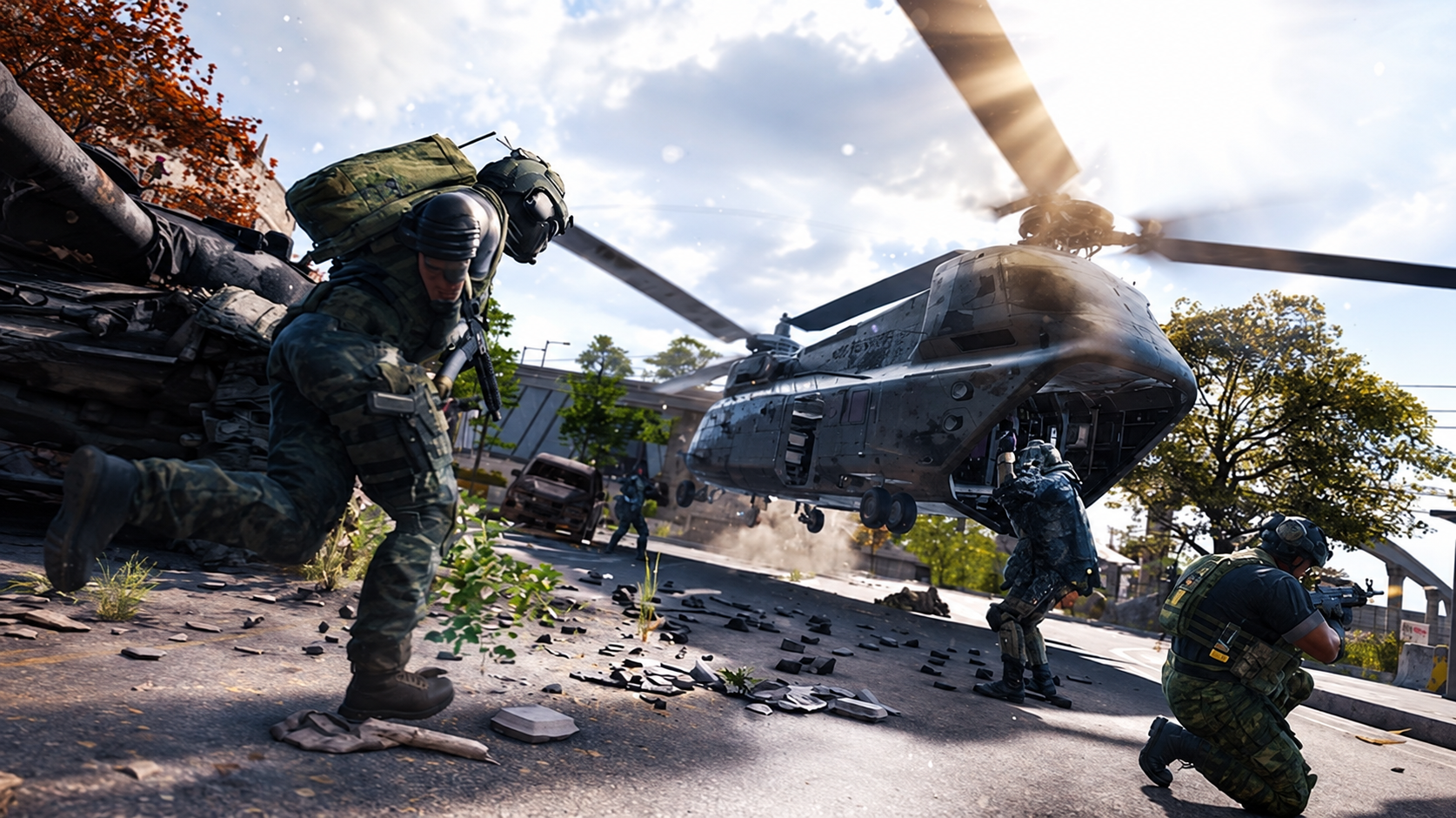
Surviving in the DMZ mode of Call of Duty Modern Warfare 4 requires more than accurate shooting. Players must manage stamina, armor, medical supplies, and weapon access while adapting to squad encounters and extraction risks. Unlike standard Multiplayer, DMZ uses survival-focused mechanics that make equipment preparation and resource management important throughout a raid.
Understanding these systems helps players prepare for different combat situations. From choosing a free loadout to unlocking custom weapons, each mechanic affects how operators enter a match and maintain their inventory. Practicing movement, aiming, and weapon handling through MW4 Bot Lobbies can also help players become more familiar with their preferred equipment.
DMZ Matchmaking and Squad Dynamics
DMZ matches support up to 20 squads, with a maximum of 60 players per session. All operators deploy simultaneously, so players need to consider nearby threats from the start.
| Matchmaking Feature | Details |
|---|---|
| Maximum squads and players | 20 squads, up to 60 players |
| Deployment timing | All players deploy simultaneously |
| Solo matchmaking | Attempts to match similar squad sizes but does not guarantee solo-only lobbies |
| Assimilation | Squads can expand to four operators |
Solo players should pay attention to positioning before committing to a fight. Duos and trios can coordinate their movements, while larger squads may have more opportunities to support one another. Check your surroundings, choose engagements carefully, and plan a route toward your objective and extraction point.
Parachutes and Stamina Management
Parachutes must be scavenged or crafted during a raid rather than being provided automatically at deployment. The common version is single-use, while the rare version offers unlimited use.
Before climbing towers or moving across rooftops, consider how you will return to ground level. Without an equipped parachute, you must account for fall distances and identify an alternative route.
Tactical sprint is enabled by default but consumes stamina. Once stamina is depleted, the operator returns to standard sprint speed. Energy drinks, medical stims, and smelling salts found during raids can replenish or extend stamina.
To manage movement effectively:
- Save tactical sprint for situations where speed matters.
- Keep stamina available for emergency repositioning or retreating.
- Collect stamina-related consumables when they suit your loadout.
- Plan escape routes before climbing elevated structures.
Weapon Damage Armor and Health Recovery
DMZ gunplay resembles standard Multiplayer and Warzone, but weapon damage, equipment functionality, and armor values are tuned for extraction-based survival.
Armor and Plate Management
Operators start with armor plates filling their equipped armor slots, but spare plates are not supplied automatically. Additional plates can be obtained through looting, suitable operator traits, higher-tier plate carriers, or armor box Field Upgrades. Higher-tier carriers can also provide defensive benefits and increased carrying capacity.
Health and Revival Mechanics
Every operator deploys with a tourniquet that enables self-revival after fatal damage. Using it leaves the operator wounded, reducing maximum health from 150 to 100 points.
| Medical Item or Mechanic | Function |
|---|---|
| Tourniquet | Enables self-revival after fatal damage |
| Medical kit | Removes the wounded state, restores maximum health, and replenishes tourniquet availability |
| Bandages, stims, and painkillers | Provide temporary health restoration |
| Traditional self-revive items | Can be crafted or scavenged |
| Possum operator trait | Provides an additional Last Stand revival opportunity per match |
Temporary healing does not remove the wounded state. A medical kit is required to restore maximum health and replenish the tourniquet, so plan your medical supplies around these different needs.
Free Loadouts and Inventory Management
Free loadouts provide basic equipment without spending cash reserves. They are useful for rebuilding an inventory after losing valuable gear or exploring a map with a simpler setup. Successfully extracting with free-loadout equipment allows you to retain those items for future deployments.
Controller users can use dedicated shortcuts to equip, stash, and swap items directly from containers. When a backpack is full, operators can exchange inventory items with ground loot.
Keep inventory management simple:
- Reserve space for armor plates, medical supplies, and ammunition.
- Prioritize items that support your current objective.
- Review your backpack before collecting more loot.
- Make room for valuable equipment you want to extract.
Weapon Unlocks and Gunsmith Progression
Weapon levels and attachment unlocks are shared across DMZ, Multiplayer, and battle royale, but purchasing weapons for DMZ follows a separate process.
Players must find and successfully extract a weapon manual before they can purchase the corresponding weapon with cash. Manuals can be found in military containers or secure safes.
Custom weapon crafting through Gunsmith unlocks at operator level 10. Players can configure weapons with up to five attachment slots alongside special Apex attachment options. Weapons scavenged in high-threat raid zones provide another way to acquire equipment, allowing operators to adapt to available gear instead of relying entirely on purchased builds.
Prepare for Each Deployment
Choose equipment that suits your route and expected encounters. Armor and medical supplies support survival during combat, while stamina consumables help with extended movement. Check your inventory before entering areas where a parachute may be necessary.
Use this checklist before deploying:
- Check armor and medical supplies.
- Consider whether your route requires a parachute.
- Choose a weapon suited to your preferred engagement range.
- Leave space for valuable loot.
- Prioritize important resources and weapon manuals.
- Plan an extraction route before entering high-risk areas.
Players seeking additional practice with aiming, movement, and weapon handling may also consider Bot Lobbies MW4 for sale as part of a broader training routine. Work on recoil control, target tracking, and positioning, then apply those skills in the appropriate game modes.
Improve Your DMZ Survival Strategy
DMZ combines tactical combat with persistent equipment progression. Matchmaking and assimilation influence squad encounters, stamina governs sustained movement, and parachutes must be acquired before use. Armor, medical kits, and free loadouts affect how well operators handle the risks of a raid.
Weapon manuals and Gunsmith progression provide longer-term equipment goals, while inventory management determines which resources are worth carrying. Preparing the right gear and adapting to each situation can help you make better decisions and extract with useful equipment for future deployments.
About the Author