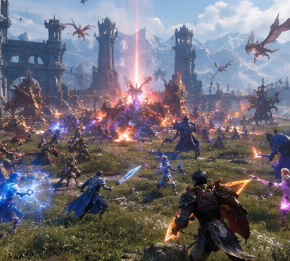
Choosing a class in WoW Forever is becoming more interesting as Blizzard continues updating talents, abilities, and group utility. The October Beta changes are not just about increasing damage numbers. Several familiar class buffs now affect entire raids, while adjustments to resource management and combat mechanics are changing how certain specializations perform.
For players deciding which class to invest in, WoW Forever Gold can help cover essential gear upgrades, consumables, repairs, and profession costs. However, spending wisely starts with choosing a class that fits your preferred role. A strong solo character may not fill the same needs as a reliable raid tank, healer, or damage dealer, so understanding the latest class changes can help you make better progression decisions.
For players deciding what to level next, the important question is no longer simply which class deals the most damage. It is which role offers the best combination of solo progression, dungeon usefulness, and long-term group value.
Why Group Utility Matters More After the Latest Updates
One of the most meaningful recent changes is the expansion of several party buffs to raid-wide effects. Battle Shout, Trueshot Aura, Moonkin Aura, Leader of the Pack, and multiple Shaman totems are among the abilities affected.
This changes how players should evaluate a class when preparing for group content. A specialization may contribute more than its personal damage or healing numbers suggest, particularly when its buffs benefit a larger portion of the raid.
Consider three examples:
- Warrior: Battle Shout provides offensive support, giving the class another reason to be considered when building a physical damage-focused group.
- Hunter: Trueshot Aura adds group value alongside the class’s ranged damage, pet utility, and ability to handle enemies from a distance.
- Druid: Moonkin Aura supports spell critical strike chance, while Leader of the Pack supports melee and ranged critical strike chance. These are separate specialization benefits, so the value depends on which Druid build the raid needs.
These changes do not automatically make one class superior to another. Raid composition, encounter requirements, player skill, and specialization balance still matter. However, they make group utility an important factor when comparing classes.
Warrior and Hunter: Two Different Approaches to Physical Damage
Warrior and Hunter both contribute physical damage, but they approach combat from very different positions.
Warrior relies on melee attacks, weapon choices, Rage management, and stance decisions. Recent tuning has continued to refine how Rage is generated and spent, while Arms, Fury, and Protection retain different responsibilities.
For players who enjoy staying close to enemies, Warrior offers a direct combat experience. Arms emphasizes weapon-focused attacks, Fury favors aggressive melee pressure, and Protection provides a path into tanking. The class can therefore support different goals without requiring players to abandon its core identity.
Hunter offers a different advantage: ranged damage combined with pet utility. Its three specializations support pet-focused combat, ranged attacks, and trap-oriented or melee options. This flexibility can be useful during solo questing as well as group encounters.
The latest Beta adjustments also reinforce the importance of understanding the actual mechanics. Auto Shot now requires a brief period of standing still before firing, matching the early-version combat behavior Blizzard is targeting. Hunters should account for this when moving between targets rather than assuming every shot will fire immediately while running.
If you are choosing between the two, consider how you prefer to handle enemies. Warrior rewards melee positioning and resource management, while Hunter offers range, pet control, and a different approach to managing combat pressure.
Druid and Priest: Flexibility Versus Specialized Support
Druid remains one of the most adaptable classes in WoW Forever. Cat Form supports melee damage, Bear Form supports tanking, Balance focuses on ranged spellcasting, and Restoration provides healing.
Recent adjustments have made several parts of the class more practical. Wrath received a substantial base-damage increase in an earlier Beta update, while Rejuvenation, Tranquility, and Wild Growth gained the ability to critically hit. Later fixes also improved Bear threat generation and corrected issues affecting important talents.
These changes make Druid worth evaluating across several roles rather than judging it exclusively as a leveling class. However, a flexible class still needs a focused build. A Feral character designed for damage should not automatically be expected to perform like a dedicated Bear tank or Restoration healer with role-appropriate talents and equipment.
Priest, meanwhile, is a strong consideration for players who prefer healing or spell-focused damage. Its Discipline, Holy, and Shadow trees offer different approaches to supporting a group or contributing offensive pressure. Recent class development has also included changes to Shadow abilities and improvements to selected healing and utility mechanics.
For group preparation, ask what your team lacks. If it needs flexible role coverage, Druid is worth considering. If it needs dedicated healing or a spell-focused damage option, Priest may be a better fit.
How to Choose a Class for the Current Beta
The best choice depends on what you want to accomplish during the current stage of WoW Forever.
| Your main goal | Classes worth considering | What to evaluate |
|---|---|---|
| Solo questing | Hunter, Druid | Sustained combat, survivability, and downtime |
| Melee damage | Warrior, Druid | Weapon scaling, resource management, and talent synergy |
| Tanking dungeons | Warrior, Druid | Threat generation, defensive tools, and group experience |
| Healing groups | Priest, Druid | Mana efficiency, healing coverage, and emergency abilities |
| Supporting raid damage | Hunter, Warrior, Druid, Shaman | Group buffs and the needs of the overall composition |
This is a practical starting point, not a definitive class ranking. The Beta is still being tuned, and the strongest choice can change as abilities and talents are adjusted.
Before committing to a specialization, check which abilities are available at your current level, whether the intended talent interactions work as expected, and whether your equipment supports the role you want to play.
Gear and Progression Still Influence Your Results
Class changes can improve a specialization, but they do not eliminate the importance of equipment and resource planning.
Warriors need weapons that keep their damage competitive. Hunters must account for ranged weapon quality, ammunition, and pet effectiveness. Druids may need different equipment priorities when switching between forms or roles, while Priests need to consider spell performance and mana sustainability.
Managing WoW Forever Gold can help cover these expenses, including equipment upgrades, consumables, repairs, and profession materials. The most efficient approach is to spend on upgrades that solve a real weakness rather than replacing every item as soon as another option becomes available.
It is also worth remembering that Beta balance changes can affect the value of particular items and builds. Avoid investing heavily based only on a temporary damage ranking when a specialization’s underlying mechanics are still being adjusted.
Players who want help with selected progression goals may also explore WoW Forever Boosting as an optional service. Regardless of the route you choose, understanding your class mechanics and preparing equipment around your intended role will help you get more out of each session.
The latest WoW Forever updates make class selection more nuanced by improving specialization mechanics and expanding the reach of several important group buffs.
Warrior and Hunter offer different forms of physical damage, Druid combines flexibility with specialized group benefits, and Priest remains a strong option for players interested in healing or spell-based combat. None should be judged by damage output alone.
Instead, consider the content you want to play, the role your group needs, and how much time you want to invest in developing your character. With class tuning still underway, choosing a specialization that fits your preferred playstyle is a more reliable starting point than chasing a temporary ranking.
Players looking to make selected progression goals more manageable can also explore WoW Forever Boosting as an optional service. The best results still come from understanding your specialization, preparing suitable equipment, and adapting to the content you want to complete. As WoW Forever continues to receive Beta adjustments, keeping your build flexible is more useful than committing to a class based only on temporary rankings.
About the Author